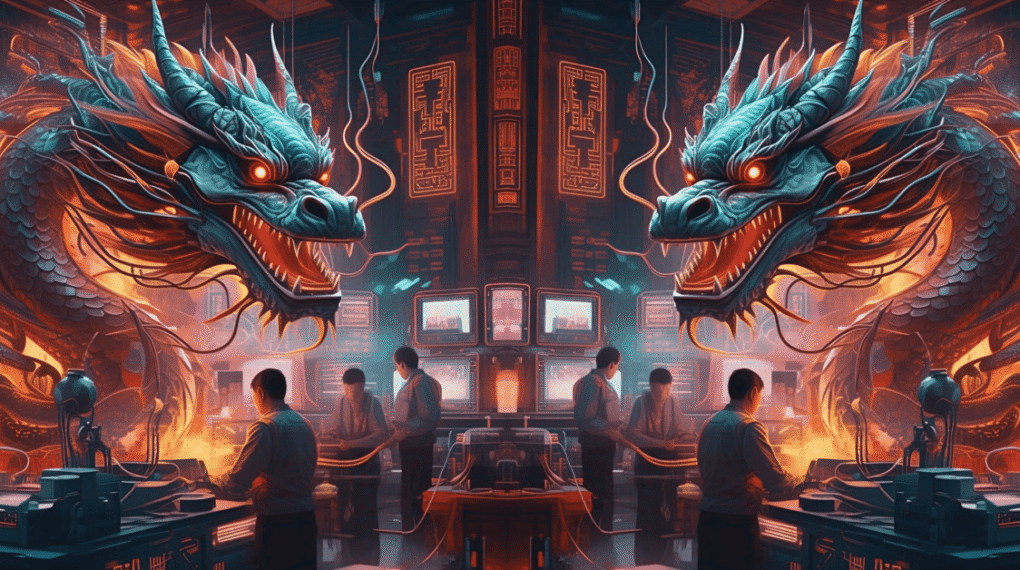
The China Science Fiction Convention 2025 in Beijing has showcased groundbreaking ideas and transformative insights. Liu Cixin, the celebrated author of The Three-Body Problem, stirred the audience. He shared his perspective on AI’s potential to redefine science fiction writing.
At the convention, Liu shared that AI might replace human writers in the next 10 to 20 years. Tools like DeepSeek could facilitate this change. Liu explained that AI could customize novels by analyzing reader preferences, producing unique and engaging stories tailored to individual tastes. This innovation could elevate AI-generated content to surpass human authors in terms of quality.
Liu also highlighted the importance of independent, personal creation. He emphasized the intrinsic joy of writing, rooted in self-expression, over mechanical processes influenced by technology. Liu recognized AI’s capabilities. However, he expressed his preference for traditional writing methods. He chose not to incorporate DeepSeek into his creative process for now.
China’s Sci-Fi Industry: Breaking Records and Scaling Heights
The convention revealed impressive statistics about China’s sci-fi sector. In 2024, the industry achieved remarkable revenue of 108.96 billion yuan ($15.01 billion), reflecting steady growth and innovation. With science fiction literature, derivative products, and sci-fi tourism driving the expansion, the sector recorded robust growth across multiple domains.
Notably, the sci-fi reading industry generated revenue of 3.51 billion yuan in 2024, a 10.7 percent year-on-year increase. Since 2017, the sector has consistently expanded, cementing its position as a cornerstone of China’s creative economy.
Experts highlighted the role of China’s technological advancements as a foundation for sci-fi storytelling. Breakthroughs in manned spaceflight, quantum communication, and artificial intelligence provided rich material for narratives. These advancements inspired the global audience with a unique blend of cultural and technological perspectives.
Educational Significance of Sci-Fi in the AI Era
The convention also emphasized the educational value of science fiction. Educators have incorporated sci-fi elements into curriculums to stimulate imagination and foster innovation. By blending creativity with education, China aims to nurture future talent in technology and the creative arts.
As Chen Tao, a professional from the sci-fi industry, pointed out, AI challenges human creators to redefine originality. Works reflecting lived experiences, philosophical insights, and emotional depth stand out against AI-generated content, becoming even more precious to readers.
China’s sci-fi industry is poised to lead the global creative landscape. This is driven by technological advancements. There is also policy support and increasing market demand. The rise of AI signifies an expansion of creative dimensions, ensuring a dynamic future for writers, readers, and creators alike.
Conclusion
The intersection of artificial intelligence and science fiction creates endless possibilities. China’s sci-fi industry continues to grow and innovate. It is set to inspire new generations. The industry will redefine creativity and strengthen its global presence.