
13 Profitable Digital Products to Sell Online in 2026
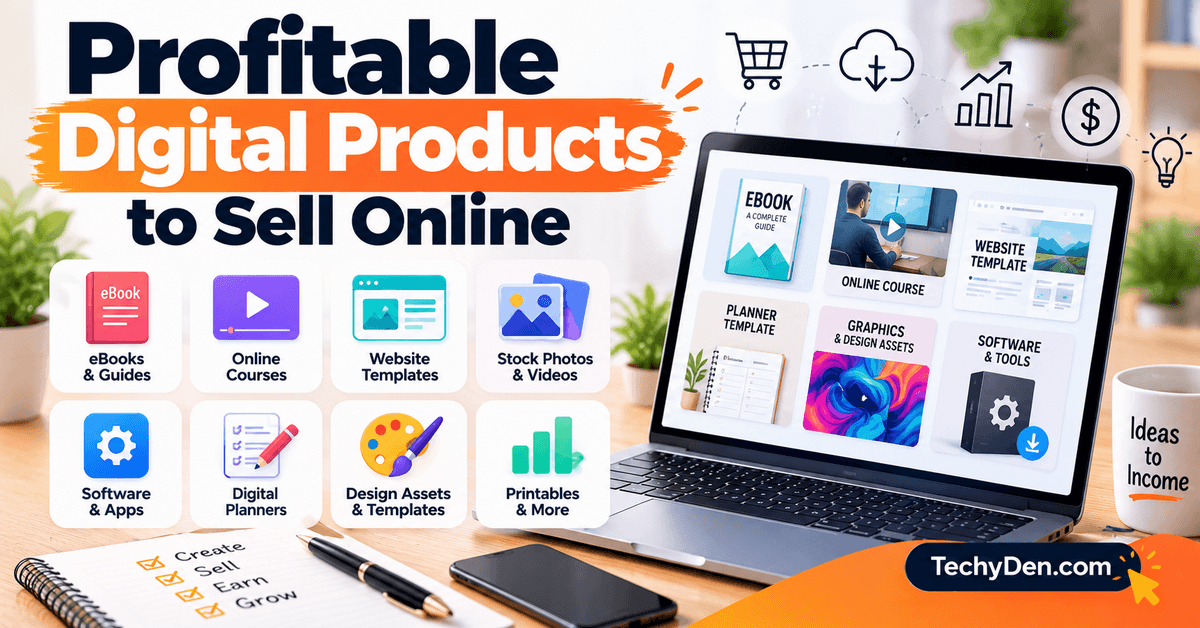
Looking for profitable digital products to sell online and build a sustainable source of income? Digital products offer entrepreneurs, bloggers, creators, and small business owners an opportunity to sell downloadable or online-accessible products without managing physical inventory or shipping.
From eBooks and online courses to digital templates, software, and stock graphics, there are many options to explore based on your skills, audience, and budget.
Selling digital products requires effective online store strategies covering product presentation, marketing, pricing, and customer experience.
The key to success is choosing products that solve a specific problem or meet a clear customer need. Before creating a product, research your target audience, analyze demand, study competing offers, and determine how you can provide something useful or different.
You should also consider production costs, platform fees, customer support, and the time required to promote your products.
A professional logo is an important part of business branding, particularly when you’re building a digital product business.
Whether you plan to sell digital products on Shopify, use another eCommerce platform, or sell digital downloads directly through your website, having the right strategy can help you reach potential customers and increase sales.
Popular options include digital planners, website templates, printable designs, online courses, memberships, photography, and downloadable business resources.
In this guide, we will explore the most profitable digital products to sell online, explain their potential benefits, and share practical tips for choosing a niche, setting prices, promoting your products, and improving your online store.
Whether you are an experienced entrepreneur or a beginner looking to make money online, you will discover ideas and strategies to help you build a digital product business.
Why Choose Profitable Digital Products?
Selling profitable digital products is an attractive online business opportunity for creators, bloggers, freelancers, educators, and entrepreneurs. Unlike physical goods, digital products can be delivered electronically, which reduces the need for inventory, packaging, and shipping.
Popular examples include eBooks, online courses, digital planners, website templates, software, printable designs, and downloadable guides.
However, not every digital product is profitable. Success depends on customer demand, product quality, pricing, competition, marketing, and the costs of creating and maintaining your product.
Before choosing the best digital products to sell online, understand the main benefits and the challenges involved.
1. Low Operating Costs
One of the biggest advantages of selling digital products is the potential to keep operating costs relatively low. You do not need a warehouse, physical inventory, or shipping supplies.
Once you create a product, you can often sell additional copies without repeating the original production process.
However, you may still have expenses for design software, hosting, payment processing, eCommerce platforms, advertising, updates, and customer support.
Calculate these costs before setting your prices to understand your actual profit margin.
2. Global Customer Reach
The internet allows you to sell digital products to customers in different countries without managing international shipping.
For example, you can sell eBooks, online courses, templates, and downloadable resources through your website or a suitable digital marketplace.
To reach international customers, provide clear product descriptions, support relevant payment methods, and consider language, currency, taxes, and local regulations.
Search engine optimization, email marketing, and social media can help attract potential customers beyond your local market.
3. Potential for Recurring and Semi-Passive Income
Digital products can generate sales even when you are not actively delivering each order. Automated payment and download systems allow customers to purchase and receive products without manual fulfillment for every transaction.
This creates the potential for semi-passive income, particularly when you sell evergreen resources such as eBooks, templates, and recorded courses. However, ongoing income is not guaranteed. You may need to update products, answer customer questions, maintain your website, and continue marketing to generate consistent sales.
4. Flexible Selling Options
You can sell digital products through several channels, depending on your business model and audience. A self-hosted website gives you greater control over your branding and customer experience, while marketplaces can provide access to existing buyers.
For example, you can sell digital downloads through your own website, use an eCommerce platform such as Shopify, or choose a marketplace that supports your product category. Compare platform fees, payment processing charges, delivery features, customization options, and customer ownership before deciding where to sell.
5. Easy Product Updates and Expansion
Digital products can often be updated without manufacturing a new physical product. You can correct errors in an eBook, add new lessons to an online course, refresh a template, or release updated versions of a downloadable resource.
You can also expand your business by creating related products, bundles, premium versions, or memberships. For example, an eBook can lead to a workbook, video course, or collection of downloadable templates. These options can help you serve existing customers while developing additional revenue streams.
6. Opportunities to Build a Scalable Business
Many digital products can be delivered automatically, allowing you to handle additional orders without increasing fulfillment work at the same rate. This makes digital products attractive to solo entrepreneurs and small businesses that want to grow without managing physical stock.
Nevertheless, scaling a digital product business still requires planning. Increased sales may bring higher advertising expenses, platform fees, support requests, and maintenance requirements. Focus on products that solve real customer problems and build systems that support a growing audience.
Profitable Digital Products to sell online
Looking for profitable digital products to sell online? Digital products allow creators, educators, bloggers, freelancers, and entrepreneurs to turn their knowledge and skills into downloadable resources or online services. Popular options include eBooks, online courses, stock photos, software, website templates, digital planners, plugins, reports, and virtual workshops.
The best digital product for your business depends on your expertise, target audience, market demand, competition, and production costs. Before investing time in creating a product, research what potential customers need and determine how your offering can solve a specific problem.
Here are 13 digital product ideas to consider for your online business.
1. E-books and Guides

eBooks and digital guides are among the most accessible digital products to create and sell. You can write about subjects you understand well, including technology, education, personal development, fitness, business, hobbies, and professional skills.
For example, bloggers can sell SEO guides, teachers can create study materials, and business owners can publish practical industry guides.
Benefits of selling eBooks:
- Low reproduction costs: After writing and formatting the original eBook, additional copies can generally be delivered digitally without manufacturing expenses.
- Niche targeting: Create specialized guides for a clearly defined audience.
- Flexible pricing: Sell short guides, comprehensive eBooks, or bundles with worksheets and templates.
- Multiple sales channels: Sell through your website or suitable publishing marketplaces.
- Long-term sales potential: Useful information can continue attracting buyers when you keep it accurate and promote it effectively.
How to sell more eBooks: Research relevant keywords, identify customer questions, and create a compelling product description. Use blog posts, email marketing, and social media to attract interested readers. Keep the content original, practical, and easy to follow.
2. Online Courses and Educational Materials

Online courses are valuable digital products for people who can teach a skill or explain a subject clearly. You can create courses about programming, digital marketing, graphic design, language learning, academic subjects, or professional development.
A course can include recorded video lessons, downloadable worksheets, quizzes, assignments, and supplementary resources. You can sell it as a one-time purchase or offer access through a membership or subscription model.
Bloggers and content creators can use the best AI tools for bloggers to research topics, develop educational resources, and create useful content for their target audience.
Benefits of selling online courses:
- Expertise monetization: Turn your knowledge into a structured learning experience.
- Flexible pricing: Offer introductory courses, specialized training, or comprehensive programs.
- Digital delivery: Students can access course materials online without physical shipping.
- Product expansion: Create advanced courses for existing customers.
- Community opportunities: Add discussion groups, live sessions, or workshops when appropriate.
How to sell online courses: Choose a specific learning outcome, organize lessons into manageable modules, and provide useful examples. Create a landing page that explains who the course is for, what students will learn, and what materials are included. Optimize the page for relevant search terms and promote it through educational blog posts, email campaigns, and demonstrations.
3. Stock Photos and Videos

Stock photography and video footage are digital products used by bloggers, businesses, advertisers, publishers, and content creators. If you have photography or videography skills, you can create collections of useful visual assets and license them to customers.
Potential niches include business photography, travel images, food photography, technology visuals, nature footage, and short video clips for social media.
Benefits of selling stock media:
- Repeat licensing opportunities: The same asset may be licensed to multiple customers, depending on the license terms.
- Broad customer base: Businesses and creators need visual content for websites, campaigns, presentations, and videos.
- Portfolio development: A collection of stock assets can showcase your creative skills.
- Specialized niches: Original, high-quality images for underserved topics can help differentiate your work.
How to sell stock photos and videos: Choose a consistent niche, produce high-quality assets, and research the requirements of the marketplaces you intend to use. Write accurate titles and descriptions, use relevant keywords, and include appropriate metadata. Obtain the necessary permissions and model or property releases where required.
4. Software and Mobile Applications

Software and mobile applications can become profitable digital products when they solve a specific customer problem. Examples include productivity tools, website utilities, business applications, educational software, and specialized tools for particular industries.
Unlike a simple downloadable file, software often requires ongoing development, compatibility testing, security updates, and customer support. These responsibilities should be included in your business plan.
If you plan to sell written guides, downloadable resources, or content-related products, explore the best AI writing tools for bloggers to support your content creation workflow.
Benefits of selling software:
- Recurring revenue opportunities: Subscription plans can generate repeat revenue when customers continue receiving value.
- Problem-solving potential: Specialized tools can serve clearly defined customer needs.
- Product differentiation: Features tailored to a particular audience may distinguish your product from competitors.
- Expansion opportunities: You can introduce premium features, integrations, or additional plans.
How to sell software: Research your target market, build a minimum viable product, and test it with potential users. Create a landing page explaining the software’s benefits, features, system requirements, and pricing. Offer clear documentation, secure payment options, and reliable customer support.
5. Website Templates and Themes

Website templates and themes are useful digital products for bloggers, freelancers, agencies, businesses, and website owners. You can create templates for WordPress, online stores, landing pages, portfolios, presentations, or other digital platforms.
Customers purchase these products to save time and establish a professional-looking online presence without building every element from scratch.
Benefits of selling templates and themes:
- Time-saving value: Customers can start with a prepared layout rather than designing everything themselves.
- Multiple product formats: Sell website themes, landing page layouts, email templates, or presentation designs.
- Niche opportunities: Develop templates for specific industries or business types.
- Expansion potential: Offer complementary layouts, design assets, and customization services.
How to sell website templates: Research your intended platform and audience before designing the product. Prioritize responsive layouts, accessibility, usability, documentation, and compatibility with supported software versions. Explain what is included, how installation works, and whether future updates or support are provided.
6. Digital Printables and Planners

Digital printables are downloadable files customers can print at home or use with compatible digital note-taking applications. Popular examples include calendars, budget planners, meal planners, habit trackers, study schedules, worksheets, checklists, and event invitations.
These products can be created for specific audiences, such as students, teachers, parents, entrepreneurs, or people interested in personal organization.
Marketplaces can be useful for reaching customers interested in selling digital downloads, including printable artwork, templates, and other downloadable creations.
Benefits of selling printables:
- Accessible production: Many printables can be designed using graphic design software.
- Flexible product categories: Create resources for education, budgeting, fitness, planning, or home organization.
- Simple digital delivery: Customers can download compatible files after purchasing.
- Bundle opportunities: Combine related worksheets and planners into themed collections.
How to sell digital printables: Identify a specific customer need and create easy-to-use, clearly formatted designs. Provide suitable file formats, page sizes, printing instructions, and previews. Publish helpful blog posts or tutorials related to your products and use relevant search terms in your product titles and descriptions.
7. Digital Art, Illustrations, and Design Assets

Artists and illustrators can sell digital artwork, icons, patterns, brushes, textures, clip art, and other creative assets. These products may appeal to designers, content creators, businesses, educators, and hobbyists.
You can sell individual assets, themed collections, or bundles for customers who need several related resources.
Benefits of selling digital art:
- Creative flexibility: Develop products around your preferred artistic style.
- Different customer groups: Serve illustrators, marketers, educators, designers, and creators.
- Portfolio development: Showcase your work and attract potential custom projects.
- Bundle potential: Package complementary assets together to provide more value.
How to sell digital art: Build a portfolio that shows your style and the intended uses of your work. Provide clear previews, file specifications, compatible software requirements, and licensing terms. Use descriptive product titles and relevant keywords to help customers discover your assets.
8. Music, Sound Effects, and Audio Products

Audio files are useful digital products for video creators, podcasters, game developers, advertisers, filmmakers, and businesses. You can create background music, sound effects, audio loops, podcast intros, meditation tracks, or royalty-based licensing products.
Demand varies by niche, quality, licensing terms, and the needs of your target audience.
Benefits of selling audio products:
- Licensing opportunities: Customers may pay to use tracks in eligible projects under specified terms.
- Specialized niches: Create audio for particular industries, video formats, or production styles.
- Collection sales: Package related tracks or sound effects into downloadable libraries.
- Custom work opportunities: Offer tailored audio production alongside ready-made products.
How to sell audio products: Provide clear previews, descriptions, technical specifications, and license conditions. Explain whether customers can use a track commercially, whether attribution is required, and which uses are restricted. Ensure you own or have the necessary rights to every sound and sample included in your products.
9. Premium Plugins, Extensions, and Add-ons

Plugins and extensions add functionality to existing software or platforms. Examples include WordPress plugins, browser extensions, design software add-ons, productivity integrations, and specialized business tools.
This category can suit developers and technically skilled creators who understand the problems users experience with existing software.
Benefits of selling plugins and add-ons:
- Focused audiences: Build products for users of a specific platform or application.
- Recurring revenue options: Offer subscriptions for ongoing updates, support, or premium functionality.
- Product expansion: Introduce integrations and advanced features based on customer feedback.
- Complementary services: Provide installation assistance or customization when appropriate.
How to sell plugins: Research user needs and existing alternatives before development. Prioritize security, compatibility, documentation, and regular maintenance. Clearly state supported versions, features, licensing terms, update policies, and support availability on your product page.
10. Data and Analytics Reports
Businesses and professionals often need reliable information to make decisions. If you have suitable research, analytical, or industry expertise, you may be able to sell market reports, benchmark studies, industry databases, trend analyses, or specialized datasets.
The value of these products depends on the quality, relevance, accuracy, and uniqueness of the information.
Benefits of selling research products:
- Specialized value: Address information needs in a particular industry or profession.
- Repeat-purchase potential: Updated reports can provide ongoing value when the underlying data changes.
- Subscription opportunities: Some regularly updated datasets may support recurring access plans.
- Custom offerings: Tailor reports to specific customer requirements when feasible.
How to sell research and analytics: Explain the report’s scope, methodology, publication date, intended audience, and limitations. Provide sample pages or summary findings so customers can assess its relevance. Use reliable sources and ensure that you have the legal right to collect, process, and redistribute the data.
11. Digital Marketing Services and Resources
Digital marketing services differ from downloadable products because they usually involve work performed for a client. However, marketers can turn their expertise into scalable digital offerings, including campaign templates, SEO checklists, social media calendars, email marketing resources, and recorded training materials.
You can also offer consulting or managed services as complementary business models. To plan and promote content more efficiently, try these AI prompts for bloggers for ideas, outlines, and content planning.
Potential digital marketing offerings include:
- SEO audit templates and checklists
- Social media content calendars
- Email marketing templates
- Advertising campaign planning worksheets
- Digital marketing guides and courses
- Downloadable reporting dashboards
How to sell digital marketing resources: Choose a target audience, such as small businesses, bloggers, or freelancers. Explain the problem each resource helps solve and include clear instructions. Use relevant blog content, email marketing, and demonstrations to attract prospective customers. If you offer services as well, separate the service deliverables from downloadable products in your pricing and product descriptions.
12. 3D Models and Virtual Reality Assets
Three-dimensional models and digital assets can serve game developers, architects, product designers, animators, and creators working with virtual or augmented reality applications. Examples include 3D objects, textures, materials, environments, character models, and animation assets.
This category requires specialized skills and appropriate software, but it can serve customers who need assets for specific projects or production workflows.
Benefits of selling 3D assets:
- Specialized audiences: Target customers working in gaming, architecture, animation, or product visualization.
- Multiple asset categories: Create models, textures, environments, and related files.
- Marketplace opportunities: Distribute products through suitable 3D asset marketplaces or your own website.
- Custom project opportunities: Offer tailored models in addition to ready-made downloads.
How to sell 3D models: Provide accurate previews, polygon or technical specifications where relevant, compatible file formats, texture details, and software requirements. State whether commercial use is allowed and whether the customer receives exclusive or non-exclusive rights. Test files before delivery and clearly explain any limitations.
13. Webinars and Virtual Workshops
Webinars and virtual workshops let you teach skills, answer questions, demonstrate processes, and interact with an audience online. You can charge for live attendance, sell recordings, or include workshop access as part of a course or membership.
They can be especially useful for professionals, educators, consultants, and creators who can provide practical instruction on a focused topic.
Benefits of selling webinars and workshops:
- Direct engagement: Answer participant questions and provide guided instruction.
- Expertise building: Demonstrate your knowledge through practical examples.
- Multiple revenue options: Sell live access, recordings, or supplementary materials.
- Product promotion: Introduce related courses, templates, or guides when they genuinely benefit participants.
How to sell webinars: Choose a specific learning outcome, describe what attendees will gain, and set a clear schedule. Use registration pages, email reminders, and relevant content to promote the event. If you sell recordings afterward, explain the access period, included materials, and any restrictions on sharing or redistribution.
How to Choose the Most Profitable Digital Product for Your Business
Not every digital product will generate the same results. Before creating one, evaluate these factors:
- Customer demand: Determine whether people actively search for the solution or already purchase similar products.
- Your expertise: Choose a product you can create accurately and maintain over time.
- Competition: Study competing products and identify ways to provide clearer, more useful, or more specialized value.
- Production costs: Account for software, design, development, research, and the time needed to create the product.
- Marketing costs: Consider advertising, platform fees, affiliate commissions, and the effort required to reach customers.
- Ongoing responsibilities: Software, courses, and subscription products may require updates and customer support.
- Profit potential: Estimate the amount you retain after fees, refunds, taxes, marketing, and other business expenses.
Start by validating one product idea before investing heavily in a large collection. Talk to potential customers, test a sample or early version, and use their feedback to improve the offering.
If you want more control over your branding and customer experience, consider a platform that lets you sell digital products from your own store and deliver files to buyers online.
Frequently Asked Questions (FAQs)
What are the most profitable digital products to sell online?
Some of the most profitable digital products include eBooks, online courses, website templates, software, digital planners, stock photos, and downloadable guides. These products can be sold repeatedly without manufacturing physical inventory. Profitability depends on customer demand, product quality, pricing, competition, and how effectively you promote your products.
What digital products can beginners sell?
Beginners can start with simple digital products such as printable planners, budget spreadsheets, eBooks, checklists, social media templates, and educational guides. Choose a topic you understand and create something that solves a specific problem. Starting with a small product helps you test demand before investing more time and money.
How can I make money selling digital products?
You can make money by creating a digital product, listing it on an online marketplace or your website, and promoting it to potential customers. Popular methods include selling eBooks, courses, templates, software, and digital downloads. Focus on solving a genuine problem, setting a suitable price, and building a reliable marketing strategy.
What digital products sell the most?
Digital products with practical uses often attract buyers, including online courses, website templates, design assets, productivity tools, eBooks, and business resources. However, no product category guarantees high sales. Research your target audience, identify unmet needs, and evaluate competing products to find opportunities that match your skills and customer demand.
Can I sell digital products without a website?
Yes, you can sell digital products without building your own website. Online marketplaces and digital product platforms allow creators to list products, accept payments, and deliver downloads. However, check each platform’s fees and rules before choosing one. A personal website can provide greater control over branding, customer relationships, and long-term marketing.
Where can I sell digital products online?
You can sell digital products through your own website or marketplaces such as Etsy, Gumroad, and specialized course platforms. The best option depends on your product type, target audience, fees, and required features. Compare payment options, file delivery, marketing tools, and platform policies before deciding where to sell.
Are digital products profitable?
Digital products can be profitable because they do not require physical inventory or repeated shipping costs. Once created, a product can often be sold multiple times. However, expenses such as software, platform fees, advertising, updates, and customer support can reduce profits. Success depends on demand, pricing, quality, and effective promotion.
What digital products can I sell to make passive income?
eBooks, recorded courses, printable planners, templates, stock photos, and downloadable guides can generate sales after their initial creation. However, passive income is not guaranteed. You may still need to promote your products, answer customer questions, fix issues, and update outdated information to maintain sales over time.
How do I choose the right digital product to sell?
Start by identifying your skills, interests, and the problems your target customers want to solve. Research search trends, competitor products, customer reviews, and market demand. Choose an idea that you can create well and improve over time. Testing a simple version before developing a larger product can reduce risk.
Do I need technical skills to create digital products?
No, you do not always need advanced technical skills. Tools for document creation, graphic design, website building, and online course production make it easier to create digital products. Beginners can start with simple PDFs, checklists, spreadsheets, or templates. More complex products, such as software and mobile apps, may require specialized skills.
How much money do I need to start selling digital products?
You can start with a small budget by creating a simple digital product using free or low-cost tools. You may need to pay for marketplace fees, a website, hosting, design software, or marketing. Your actual startup cost depends on the product and platform. Begin with essential expenses and invest more as demand grows.
Are eBooks still profitable digital products?
Yes, eBooks can still be profitable when they provide useful, original information for a clearly defined audience. Practical guides, educational resources, specialized tutorials, and professional reference materials can appeal to specific readers. Choose a focused topic, produce helpful content, design a readable layout, and promote your eBook through relevant channels.
Can I sell AI-generated digital products?
You can sell certain AI-assisted digital products, such as design resources, templates, and written materials, provided you have the necessary rights and comply with applicable laws and platform policies. Review the AI tool’s terms, check commercial-use permissions, and ensure the final product is accurate and valuable. Avoid copying protected content or misleading buyers.
How do I promote digital products and get more sales?
Promote digital products through SEO-friendly blog posts, email newsletters, social media, tutorials, videos, and relevant online communities. Explain the problem your product solves and show potential buyers what they will receive. Collect customer feedback and improve your product page. Consistent promotion and a clear value proposition can help attract suitable customers. AI tools can also help you explore new online income opportunities. Read our guide to the best ways to make money with ChatGPT for additional ideas.
What is the best platform for selling digital products?
The best platform depends on what you sell and how you want to manage your business. Marketplaces can help you reach existing shoppers, while your own website offers greater control over branding and customer relationships. Compare transaction fees, payment methods, file delivery, integrations, and marketing features before selecting a platform.
Conclusion on Best Digital Products to sell online
Selling profitable digital products is a practical way to build an online business, share your expertise, and create new income opportunities. From eBooks and online courses to website templates, software, digital art, and downloadable planners, there are many digital product ideas to explore. The best choice depends on your skills, target audience, budget, and the problems you can solve for your customers.
Before creating a product, research your audience, analyze competitors, and validate demand. Start with one useful product, focus on quality, and improve it using customer feedback. You should also choose the right platform, set competitive pricing, and use content marketing, SEO, email marketing, and social media to reach potential buyers.
Remember, selling digital products is not automatically a source of passive income. You may need to invest time in product development, promotion, customer support, and regular updates. However, with a clear strategy and consistent effort, digital products to sell online can become a valuable part of a sustainable online business.
Choose a product that matches your strengths and meets a genuine customer need. Start small, test your idea, and build on what works.