
Finding high-quality images for a blog, website, social media post, presentation, or marketing campaign does not have to be difficult. However, using stock photos legally requires more than simply downloading an image from Google or removing a watermark. You need to understand the image license and make sure you have permission to use the photo for your intended purpose.
If you are searching for how to get stock photos without watermark, the safest approach is to use stock photo websites that provide images under a suitable free license or to purchase the appropriate license from a premium stock photo provider. Many free stock websites now offer high-quality photos that can be downloaded without visible watermarks and used for personal or commercial projects, subject to their individual license terms.
If you prefer editing images on your computer or smartphone, you can further customize these photos using photo editing tools before publishing them on your website, blog, or social media channels.
A watermark usually identifies the photographer, contributor, agency, or stock-photo marketplace and helps protect copyrighted content from unauthorized use. It should not be treated as something that can simply be removed to make a copyrighted stock image free to use. For example, Shutterstock currently provides watermarked previews for users who want to evaluate an image before licensing it, and its terms prohibit removing watermarks or copyright notices.
If you need stock photos without watermarks, there are several legitimate alternatives to downloading watermarked previews. Websites such as Pexels and Unsplash offer large collections of free images under their respective licenses. Pexels states that its photos and videos can be downloaded and used for free, including for commercial projects, although restrictions still apply to subjects such as trademarks, recognizable people, and implied endorsements.
Unsplash also allows users to download and use its images for free under the Unsplash License, including for many commercial and personal projects. However, its license does not automatically give you rights to trademarks, logos, recognizable people, or other copyrighted works that may appear within an image.
Premium stock-photo websites such as Shutterstock are another option when you need a specific professional image that is not available from free stock-photo websites. In this case, the correct approach is to license the image rather than attempting to remove the watermark from its preview. Shutterstock explains that the license associated with an image determines how you can use it.
For bloggers and website owners, choosing genuinely free and properly licensed images is particularly important. An image being available on Google Images or another website does not automatically mean it is copyright-free. You should always check the original source, license, permitted uses, and any restrictions before publishing an image.
If you need images for a software or app review, the situation can be slightly different. You may want to show screenshots, product interfaces, app logos, or promotional images supplied by the software developer. In these cases, check the company’s media, press, brand, or usage guidelines and avoid presenting copyrighted material as your own.

This guide explains how to get stock photos without watermark using legitimate and practical methods. We will look at free stock-photo websites, royalty-free image sources, premium stock-photo licensing, image licensing rules, and the best ways to find high-quality images for blogs and websites without creating unnecessary copyright problems.
Whether you are a blogger, website owner, designer, marketer, student, or content creator, these methods can help you find free stock photos without watermark while respecting the rights of photographers, designers, and image creators.
How to Get Stock Photos Without Watermark?
If you are searching for how to get stock photos without watermark, there are several legitimate ways to find and use high-quality images. The safest options are to download images from free stock-photo websites with appropriate licenses or purchase a license from a premium stock-photo platform such as Shutterstock.
It is important to understand that a watermarked preview from a stock-photo website is not a free version of the image. The watermark identifies the preview as unlicensed content and helps protect the photographer’s or contributor’s work.
What Is Shutterstock?
Shutterstock is a major stock-content platform offering millions of photos, illustrations, vectors, videos, music tracks, and other creative assets. It is widely used by bloggers, publishers, marketers, businesses, designers, advertising agencies, and content creators.
When you find an image you want to use, Shutterstock’s image detail page provides information about the asset, licensing options, and available download options. Shutterstock also allows users to download a watermarked preview to test an image before deciding whether to license it.
If you need an unwatermarked Shutterstock image, the legitimate method is to license the image through Shutterstock. After licensing, you can download the authorized version according to the applicable license terms.
Why Do Shutterstock Images Have a Watermark?
Shutterstock adds a watermark to preview images to protect the copyright and licensing rights associated with the content. When you use the Try or preview option, the downloaded image contains the Shutterstock logo as a watermark.
The watermarked version is intended for evaluation rather than final publication. Shutterstock specifically explains that users can test an image before purchasing it and receive the unwatermarked version after licensing the image.
You should therefore avoid using a watermarked Shutterstock preview on your blog, website, advertisement, social media campaign, or commercial project as if it were a licensed image.
Can You Remove a Shutterstock Watermark?
No. Removing a Shutterstock watermark from a preview does not give you permission to use the underlying image.
Shutterstock’s current Terms of Use specifically prohibit removing watermarks or copyright notices. The company also states that displaying or distributing unlicensed or watermarked Shutterstock content can constitute copyright infringement.
Instead of searching for a Shutterstock watermark remover, download the image legally from Shutterstock after obtaining the appropriate license, or choose a genuinely free stock photo from a website that permits your intended use.
The Legalities of Using Shutterstock Images Without Paying
Understanding Copyright and Image Licensing
A stock photo remains protected by copyright even when it is publicly visible on a website. Viewing or downloading a preview does not automatically give you the right to publish it.
Shutterstock’s current terms state that its content is protected by intellectual-property laws and that users must obtain the appropriate license before downloading, distributing, displaying, or using Shutterstock content.
This means that finding a Shutterstock image through Google Images, downloading its watermarked preview, or using an online watermark-removal tool does not make the image copyright-free.
What Happens If You Use Shutterstock Images Without Permission?
Using an unlicensed Shutterstock image can result in copyright complaints, content removal, takedown requests, or other legal consequences depending on the circumstances and applicable law.
For website owners and bloggers, the safest approach is simple: use images that you created yourself, use legitimately free stock photos under an appropriate license, or purchase a license for premium stock images.
Shutterstock also actively investigates unauthorized distribution of its content and information intended to facilitate access to Shutterstock content without payment or the removal of watermarks.
How to Get Unwatermarked Shutterstock Images Legally
There is a straightforward way to get an unwatermarked Shutterstock image: license the image.
When you find a suitable photo, open its image detail page, review the available license and usage rights, and purchase or download it through an appropriate Shutterstock plan. Shutterstock’s current Standard and Enhanced licenses provide different usage permissions, so you should choose the license based on how you plan to use the image.
For example, Shutterstock states that its Standard License can cover uses such as websites, e-publications, email marketing, social media, and certain advertising applications, while the Enhanced License provides additional permissions for specific commercial uses.
Steps to Get Stock Photos Without Watermark From Shutterstock
- Search for the photo you need on Shutterstock.
- Open the image detail page.
- Review the image’s license and usage information.
- Select an appropriate Shutterstock plan or purchase option.
- License the image.
- Download the authorized, unwatermarked version.
- Keep your licensing information for future reference.
This is the safest method when you specifically need a Shutterstock image for a blog, website, advertisement, marketing campaign, or other project.
Are Shutterstock Editorial Images Free to Use?
No. Editorial Use Only does not mean free to use.
Shutterstock’s current guidance states that editorial content is generally intended for newsworthy and informational purposes and is not cleared for commercial use. Examples of appropriate uses include news articles, documentaries, nonfiction books, and other news-related content.
Editorial images can include celebrities, public figures, recognizable locations, trademarks, logos, and other subjects for which commercial releases may not be available.
Therefore, do not assume that an image marked Editorial Use Only can be freely used in advertisements, product promotions, business websites, marketing materials, or commercial social media campaigns.
Can Editorial Images Be Used on a Blog?
It depends on the context.
An editorial image can generally be used to illustrate a legitimate news or informational article when the appropriate Shutterstock editorial license has been obtained. However, Shutterstock says editorial content cannot generally be used for advertising, promotional articles, product packaging, merchandise, or other commercial purposes.
If your blog is commercial or monetized, carefully check the image’s license and intended use before publishing it.
Free Alternatives to Shutterstock Images
If you do not want to purchase a Shutterstock subscription or individual image license, you do not need to use watermarked previews. Instead, look for free stock photos without watermark on platforms that explicitly provide images under licenses allowing your intended use.
Popular options include:
- Pexels
- Unsplash
- Pixabay
- Wikimedia Commons
- Freepik’s free resources, subject to their specific license terms
Always check the current license before downloading and publishing an image because free does not necessarily mean unrestricted.
For bloggers, another useful approach is to create your own images, take your own photographs, or use screenshots and product images according to the relevant copyright, trademark, and usage rules.
Tips for Finding High-Quality Stock Photos Without Watermark
Use Legitimate Free Stock-Photo Websites
Search websites that specifically provide free stock photos without watermark. Before downloading, check whether commercial use is permitted and whether attribution is required.
Check the Image License
Never assume that an image is copyright-free simply because there is no watermark. An image can be completely free of visible watermarks and still be copyrighted.
Always check:
- Commercial-use permissions
- Attribution requirements
- Modification rights
- Redistribution restrictions
- Trademark and logo restrictions
- Model or property-release considerations
Use Search Filters
Stock-photo websites often provide filters that help you find images by orientation, color, category, style, image type, and other characteristics. Using these filters can save time and help you find the right image without resorting to questionable download methods.
Avoid Watermark Removal Websites
Avoid websites or software that promise to remove Shutterstock watermarks from copyrighted previews. Removing the visible watermark does not remove the copyright or create a license for the image.
If you need the exact Shutterstock image, license it. If you need a free image, choose an alternative that is legitimately available under a suitable license.
Best Way to Get Stock Photos Without Watermark
The best method depends on your requirements.
If you specifically need a Shutterstock image, license it through Shutterstock and download the unwatermarked version. If you simply need a high-quality image for a blog or website, consider using a legitimate free stock-photo website instead.
For commercial projects, always check the license before publishing an image. Shutterstock’s current guidance distinguishes between commercial and editorial content, and an Editorial Use Only image cannot generally be used for commercial or promotional purposes.
The important point is that getting stock photos without watermark does not mean removing a watermark from a copyrighted image. It means obtaining an image that is legitimately available without a watermark or licensing the original image from the copyright holder.
How to Remove Watermarks From Images Using Editing Tools
If you own the image, have permission from the copyright holder, or are editing an image for which watermark removal is authorized, several photo-editing tools can help you remove unwanted marks, logos, text, date stamps, and other distractions.
However, there is an important distinction between removing a watermark from your own image and removing a watermark from a copyrighted stock-photo preview. Shutterstock’s current Terms of Use prohibit users from removing its watermarks or copyright notices and state that unlicensed Shutterstock content cannot be used or distributed.
Shutterstock also states that its watermarked previews are intended for testing before licensing. When you license an image, you can receive the authorized unwatermarked version.
Therefore, if you need a Shutterstock image without a watermark, the correct solution is to license the image rather than remove the watermark.
When Can You Remove a Watermark?
You can use watermark-removal or object-removal tools when you have the necessary rights to edit the image. Common legitimate examples include:
- Removing your own watermark from an old photograph
- Removing a date stamp from your own camera photos
- Cleaning unwanted text from an image you created
- Removing dust, scratches, or unwanted objects
- Retouching photographs you own
- Restoring old scanned photographs
- Removing branding from your own designs
- Editing images with permission from the copyright owner
If you do not own the image or have permission to modify it, do not use a watermark-removal tool to make a copyrighted image appear unwatermarked.
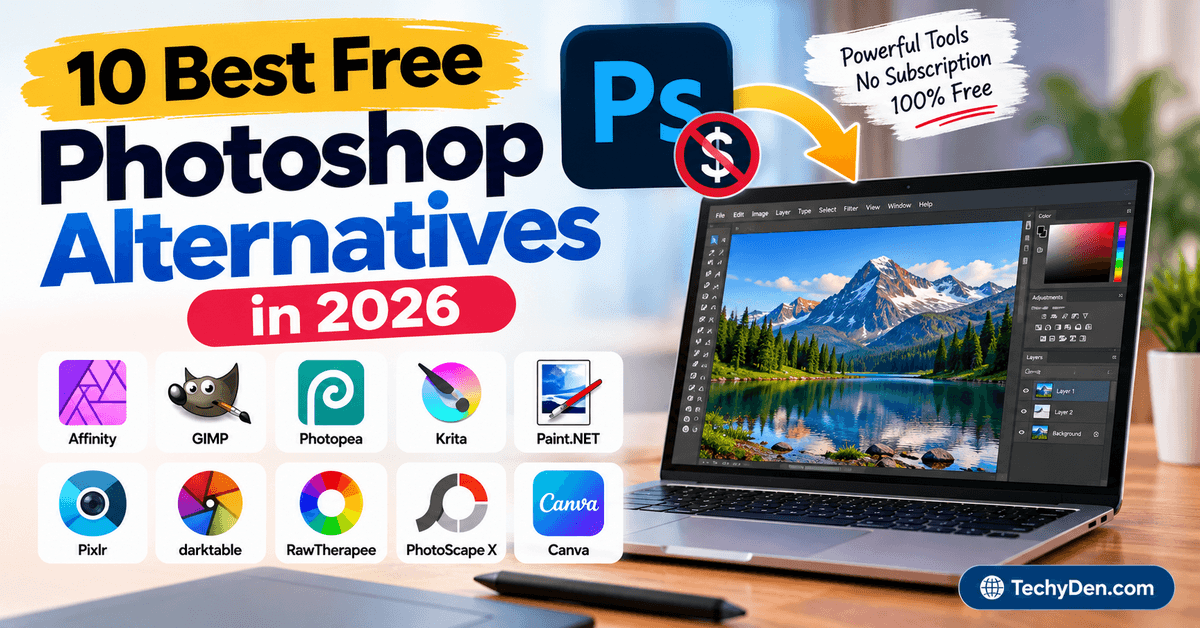
If you want to create or customize your own graphics instead of relying entirely on stock photos, these free Photoshop alternatives can help you edit images without expensive software.
Best Tools for Removing Unwanted Objects From Your Own Images
Several modern photo-editing applications can remove unwanted elements from images. The appropriate tool depends on the type of editing you need.
1. Inpaint
Inpaint is an image-retouching application designed to remove unwanted objects, watermarks, date stamps, scratches, and other distractions from images that you have permission to edit.
The current version provides smart selection tools and an updated object-removal algorithm. Inpaint is available for Windows and Mac, and its official site lists support for Windows 8 or later and macOS 10.14 or later. (Inpaint)
How to Remove an Unwanted Object With Inpaint
Use these steps only for images you own or are authorized to edit.
Step 1: Import Your Image
Open Inpaint and load the image you want to edit. Choose a photograph or graphic for which you have permission to modify the unwanted element.
Step 2: Select the Unwanted Area
Use the selection or marker tools to highlight the object, text, date stamp, or other unwanted element.
For best results, select the unwanted area carefully without unnecessarily covering important parts of the surrounding image.
Step 3: Apply the Restoration
Run the restoration process and allow Inpaint to reconstruct the selected area using information from the surrounding pixels.
You may need to repeat the process or adjust the selection if the result does not look natural.
Step 4: Review and Export
Zoom in and inspect the edited area carefully. If the result looks natural, save the edited image in your preferred format.
Inpaint’s current feature set also includes batch processing, guide lines, MultiView, original-resolution processing, and support for formats such as WebP.
2. Web-Based Inpaint
If you only need occasional object removal, an online image-editing workflow can be more convenient than installing desktop software.
The Inpaint service provides browser-based image retouching for removing unwanted elements from photographs. You can upload an image, mark the area that needs to be removed, process the image, and review the result.
Again, use this type of online watermark remover only when you own the image or have permission to remove the watermark.
Step 1: Upload Your Image
Open the online image-editing service and upload the photograph you are authorized to edit.
Step 2: Highlight the Unwanted Element
Use the available marker or selection tool to highlight the object, watermark, text, or other distraction.
Step 3: Process the Image
Start the restoration process and allow the tool to reconstruct the selected area.
Step 4: Review the Result
Check the edited image carefully. Complex backgrounds, faces, patterns, and detailed objects may require additional editing to produce a natural-looking result.
Can You Remove a Shutterstock Watermark With Photoshop?
Technically, image-editing software can manipulate pixels, but that does not mean you have the legal right to remove a Shutterstock watermark.
Shutterstock’s current Terms specifically state that users may not remove watermarks or copyright notices from Shutterstock content. They also state that displaying or distributing watermarked or unlicensed Shutterstock content can constitute copyright infringement.
Therefore, you should not use Photoshop, GIMP, Inpaint, or another watermark-removal tool to remove a Shutterstock watermark from an unlicensed preview for publication.
If you need the particular Shutterstock image, purchase or otherwise obtain the appropriate license and download the authorized version.
What Is the Best Alternative to Removing a Shutterstock Watermark?
If the exact Shutterstock image is too expensive or you do not want to purchase a license, look for a similar image on a legitimate free stock-photo website.
You can explore free stock-photo platforms such as Pexels, Unsplash, and Pixabay and check their current license terms before using an image.
This is usually a better solution than searching for a Shutterstock watermark remover because you receive an image that is legitimately available for use rather than attempting to modify copyrighted preview content.
Can AI Remove Watermarks From Images?
Modern AI-powered photo editors can remove unwanted objects and reconstruct parts of an image. These tools can be useful for photographs that you own or are authorized to edit.
However, AI does not change copyright ownership. If an image is protected by copyright, using AI to remove its watermark does not give you permission to publish or commercially use the resulting image.
The same principle applies to AI watermark removers, Photoshop’s generative tools, online object-removal services, and traditional cloning or healing tools.
Best Practices for Watermark Removal
Before using a watermark-removal or object-removal tool, follow these guidelines:
- Make sure you own the image or have permission to edit it.
- Do not remove copyright notices from someone else’s work.
- Do not remove Shutterstock watermarks from unlicensed previews.
- Keep proof of your license when using paid stock images.
- Check the license before publishing edited stock content.
- Use free stock-photo websites when you need budget-friendly images.
- Use your own photographs whenever possible.
- Review AI-generated edits carefully for visual artifacts.
- Do not assume that a watermark-free image is copyright-free.
For additional editing on your smartphone, you can also explore these photo editing tools for cropping, retouching, resizing, and improving images.
The Best Way to Get Shutterstock Images Without Watermark
If you specifically want a Shutterstock image, the safest method is to license the image and download the authorized unwatermarked version. Shutterstock explains that its preview images contain watermarks to protect contributors’ rights and that licensing an image provides access to the unwatermarked version.
Shutterstock has also strengthened its watermark system. In December 2025, the company announced an updated watermark design with additional security features and contributor identification, including on downloaded previews and enlarged previews.
This makes it even more important to avoid websites or software that promise to bypass Shutterstock’s watermark protection.
If you simply need a free stock photo without watermark, the better approach is to use a legitimate free stock-photo website rather than trying to remove the watermark from a premium stock image.
Alternatives to Shutterstock for Free High-Quality Images
If you do not want to purchase a Shutterstock license, you still have several legitimate ways to find free stock photos without watermark. Free stock-photo platforms now offer millions of high-quality photographs, illustrations, and other visual resources for bloggers, designers, marketers, businesses, and content creators.
However, remember that free does not automatically mean copyright-free. Every website has its own license terms, restrictions, and permitted uses. Always check the current license before downloading and publishing an image.
Other Free Stock Image Websites
Several reputable websites provide free stock photos that can be used for personal and, in many cases, commercial projects.
- Pexels is a popular source of free stock photos and videos. Its license allows users to download and use content for free, including for many commercial purposes. However, restrictions apply to areas such as trademarks, recognizable people, and implied endorsements.
- Unsplash provides a large collection of free photographs under the Unsplash License. Images can generally be used for personal and commercial purposes without purchasing a license, although certain uses involving trademarks, recognizable people, or other copyrighted material may require additional permission.
- Pixabay is another popular platform offering free images, illustrations, vectors, videos, and other media. Its content is available under the Pixabay Content License, but users should still review the restrictions because some images may contain recognizable brands, people, or other protected elements.
When choosing a free stock photo website, consider:
- Image quality and resolution
- Commercial-use permissions
- Attribution requirements
- Modification rights
- Restrictions on redistribution
- Model and property releases
- Trademark and logo restrictions
- Whether the image can be used in advertisements
- Whether the license applies to your specific project
A photo without a visible watermark can still be copyrighted, so always verify the license before publishing it.
If you are looking for copyright-free images, explore legitimate stock-photo websites that provide images under clearly stated licenses for personal or commercial use.
Use Your Own Photos
Creating your own images is one of the safest ways to obtain visual content for your website. You can take photographs using a smartphone or digital camera and edit them using photo-editing software before publishing them.
Creating original images gives you much greater control over the subject, composition, resolution, branding, and intended use. It is particularly useful for product reviews, tutorials, local businesses, technology articles, and personal websites.
You can also create original graphics using tools such as Canva, Affinity, GIMP, or other free graphic design software. This approach allows you to create featured images, blog graphics, infographics, thumbnails, and social media visuals specifically for your content.
Create Screenshots for Software and App Articles
If you are writing about software, mobile apps, Windows features, or online services, screenshots can often be more useful than generic stock photography.
For example, you can create your own screenshots showing:
- Software interfaces
- Windows settings
- Android features
- App menus
- Website features
- Step-by-step instructions
- Product features
However, screenshots can still contain copyrighted material, trademarks, logos, or third-party content. Use them appropriately and avoid implying that you own another company’s software or branding.
Use Public-Domain and Creative Commons Images
Another option is to search for public-domain images or images released under appropriate Creative Commons licenses.
Public-domain content generally has fewer copyright restrictions, but you should still verify the source and status of the image. Creative Commons licenses can have specific requirements, such as attribution or restrictions on commercial use and modifications.
Do not assume that every image labeled “Creative Commons” can be used without conditions. Check the exact Creative Commons license attached to the image.
Best Free Stock Photo Websites Without Watermark
For most bloggers and website owners, these platforms are useful starting points:
| Website | Content | Watermark-Free Downloads | Commercial Use |
|---|---|---|---|
| Pexels | Photos and videos | Yes | Generally permitted under its license |
| Unsplash | Photos | Yes | Generally permitted under its license |
| Pixabay | Photos, vectors, illustrations, videos | Yes | Generally permitted under its license |
| Wikimedia Commons | Photos, media, historical content | Depends on license | Depends on individual license |
| Canva | Photos, graphics, templates | Depends on asset | Depends on asset/license |
Always verify the individual website’s current license and the specific asset before using an image commercially.
How to Choose the Right Free Stock Photo
When searching for high-quality stock photos without watermark, do not choose an image based only on its appearance. Consider how you plan to use it.
For a blog article, choose a high-resolution image with enough empty space for your headline or branding. For social media, select an image that matches the platform’s preferred dimensions. For product or business content, make sure the image does not contain unrelated trademarks or misleading visual elements.
It is also a good idea to keep a record of the image source and license information, particularly when using images for commercial websites.
Frequently Asked Questions (FAQs)
How can I get stock photos without a watermark?
You can get stock photos without a watermark by using legitimate free stock websites such as Pexels, Unsplash, and Pixabay, or by purchasing a license from a premium stock platform such as Shutterstock. Always check the image license before downloading and using an image, especially for commercial projects.
Where can I find free stock photos without watermark?
You can find free stock photos without watermark on websites such as Pexels, Unsplash, and Pixabay. These platforms provide large collections of photographs that can be used for blogs, websites, social media, and other projects, subject to their individual license terms. Always verify the license for the specific image before publishing it.
Is it legal to remove a watermark from a stock photo?
Generally, you should not remove a watermark from a stock photo that you do not own or have permission to edit. A watermark identifies the image and its licensing status. If you need an unwatermarked Shutterstock image, the appropriate solution is to license the image and download the authorized version.
Can I use Shutterstock images without a watermark for free?
Shutterstock preview images are normally watermarked and are provided for evaluation. You should not remove the watermark or use the preview as though it were licensed content. If you need a Shutterstock image without a watermark, purchase the appropriate license or use a legitimate free stock-photo alternative.
What are the best free alternatives to Shutterstock?
Some popular Shutterstock alternatives include Pexels, Unsplash, Pixabay, Wikimedia Commons, and Canva. These platforms provide different types of free images and media, but their licenses are not identical. Before using an image commercially, check the platform’s current license and any restrictions relating to attribution, trademarks, recognizable people, or redistribution.
Are free stock photos really free to use?
Free stock photos can usually be downloaded and used without paying a licensing fee, but “free” does not mean there are no restrictions. Each platform has its own license terms. Some images may have limitations involving trademarks, recognizable people, commercial use, redistribution, or other protected rights.
Can I use free stock photos on my website?
Yes, you can use many free stock photos on websites, blogs, and online publications. However, you should confirm that the image license permits your intended use. Check whether commercial use is allowed and look for restrictions involving attribution, modification, trademarks, people, or redistribution before publishing the image.
Are Pexels images free to use without a watermark?
Yes, Pexels provides free photos and videos that can generally be downloaded without a stock-photo watermark. Its license permits many personal and commercial uses, but certain restrictions apply. For example, you should not use identifiable people in a misleading way or imply that a person or brand endorses your product.
Are Unsplash images free for commercial use?
Unsplash images can generally be used for personal and commercial purposes under the Unsplash License without purchasing an image license. However, additional rights may be required for certain uses involving recognizable people, trademarks, or other protected content. Always review the current Unsplash License before using an image commercially.
Are Pixabay images copyright-free?
Pixabay images are not necessarily “copyright-free” in the strict legal sense. They are generally offered under the Pixabay Content License, which permits many free uses. However, restrictions can apply to trademarks, recognizable people, brands, and other protected elements. Always check the license and image details before using content commercially.
Can I use Shutterstock editorial images for free?
No. Shutterstock Editorial Use Only content is not automatically free. Editorial images are licensed for specific editorial purposes and can have additional restrictions on advertising, promotional, or commercial use. You should review the applicable Shutterstock license and restrictions before using editorial content on a website, advertisement, product, or business project.
What is the safest way to get images without a watermark?
The safest approach is to use images you created yourself, properly licensed stock images, or legitimate free stock images from reputable platforms. Keep the source and license information when possible. This helps you demonstrate that you obtained the image legitimately if questions about copyright or usage rights arise later.
Can I use screenshots instead of stock photos?
Yes, screenshots can be useful for software tutorials, technology articles, app guides, and Windows or Android instructions. However, screenshots may contain copyrighted content, trademarks, logos, or third-party material. Use screenshots for legitimate purposes and avoid presenting another company’s copyrighted material or branding as your own.
What is the difference between royalty-free and copyright-free images?
Royalty-free does not mean an image has no copyright. It usually means you can use the image under a specific license without paying a royalty for every individual use. Copyright-free is often used informally to describe images with fewer restrictions, but you should always verify the actual copyright status and license.
Can I use free stock photos for commercial purposes?
Many free stock websites permit commercial use, but the exact rules vary between platforms and individual assets. Before using a free stock photo in advertising, products, business websites, or other commercial projects, read the current license carefully and check for restrictions involving people, brands, trademarks, and redistribution.
How do I know if a stock photo is safe to use?
Check where the image came from and read the license provided by the original source. Confirm that your intended use is permitted and look for restrictions involving commercial use, attribution, recognizable people, trademarks, and redistribution. Avoid downloading images from random websites unless you can verify their copyright and licensing information.
Conclusion: The Best Way to Get Free Stock Photos Without Watermark
You do not need to remove a Shutterstock watermark to get high-quality images for your website. If you specifically need a Shutterstock image, the proper approach is to license the image and download the authorized unwatermarked version.
If you want a free alternative, websites such as Pexels, Unsplash, and Pixabay provide large collections of images that can be downloaded without the typical stock-photo watermark, subject to their respective license terms.
Creating your own photographs, screenshots, illustrations, and graphics is another excellent option, especially for bloggers and technology websites.
The most important rule is simple: do not confuse a watermark-free image with a copyright-free image. Always check the license, confirm that your intended use is permitted, and respect the rights of photographers, designers, businesses, and other copyright holders.
By using legitimate free stock photos without watermark, creating original images, or properly licensing premium stock photography, you can build a visually appealing website while avoiding unnecessary copyright and licensing problems.
If you regularly publish articles, you can also explore reliable sources for free images for blogs to find suitable visuals while checking the applicable license before publishing.